Our Story
You can see a fence aging.
You can't see your roof.
But the same thing is happening.
Every homeowner has seen this. A fence that was once warm and rich slowly turns silver-grey. It happens so gradually you barely notice — until one day you look at it and think, that needs some attention.
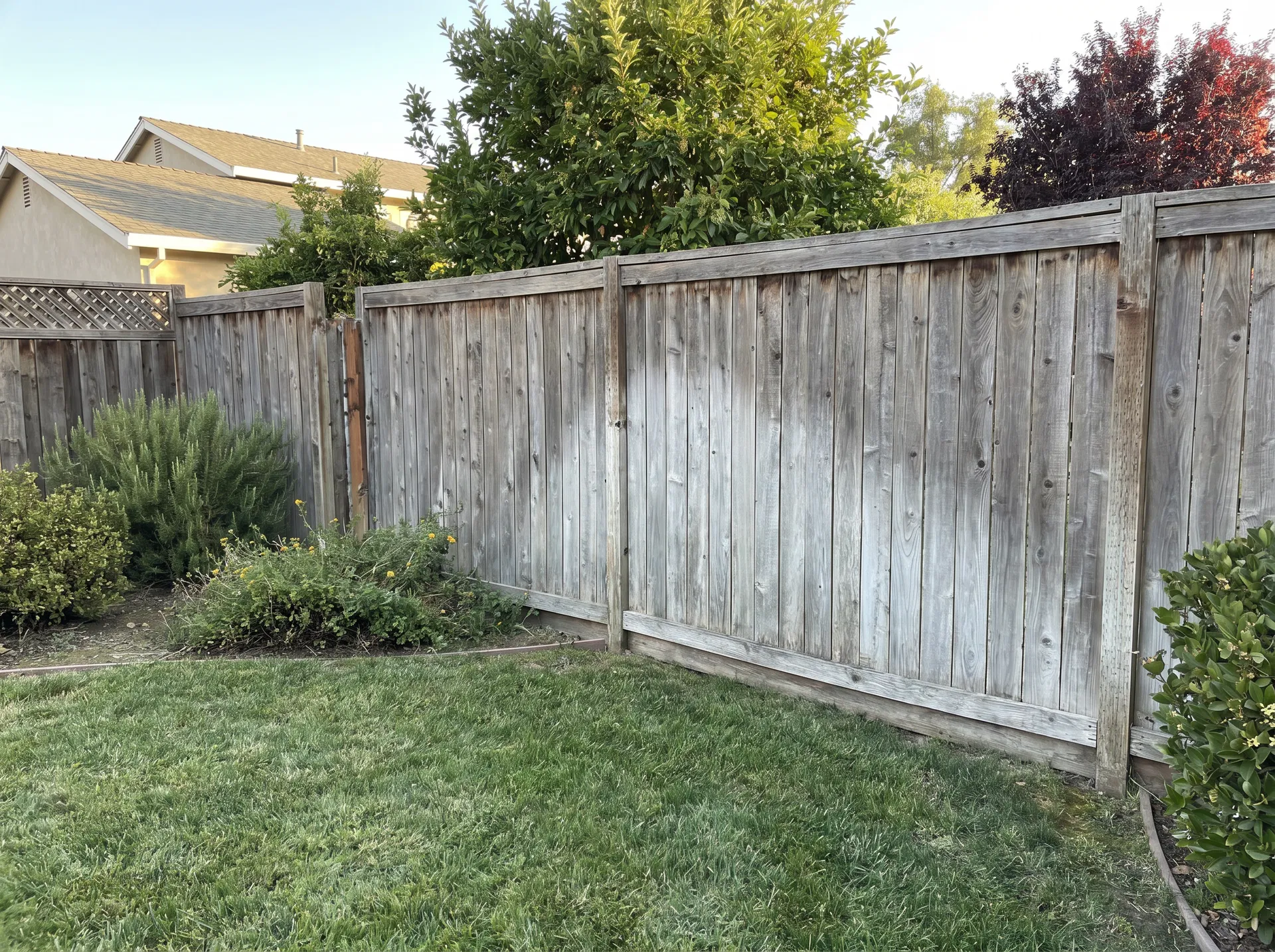
A few years of California sun. The wood has gone grey. The grain is starting to show. It's not falling apart — it just looks tired. You know what it needs.
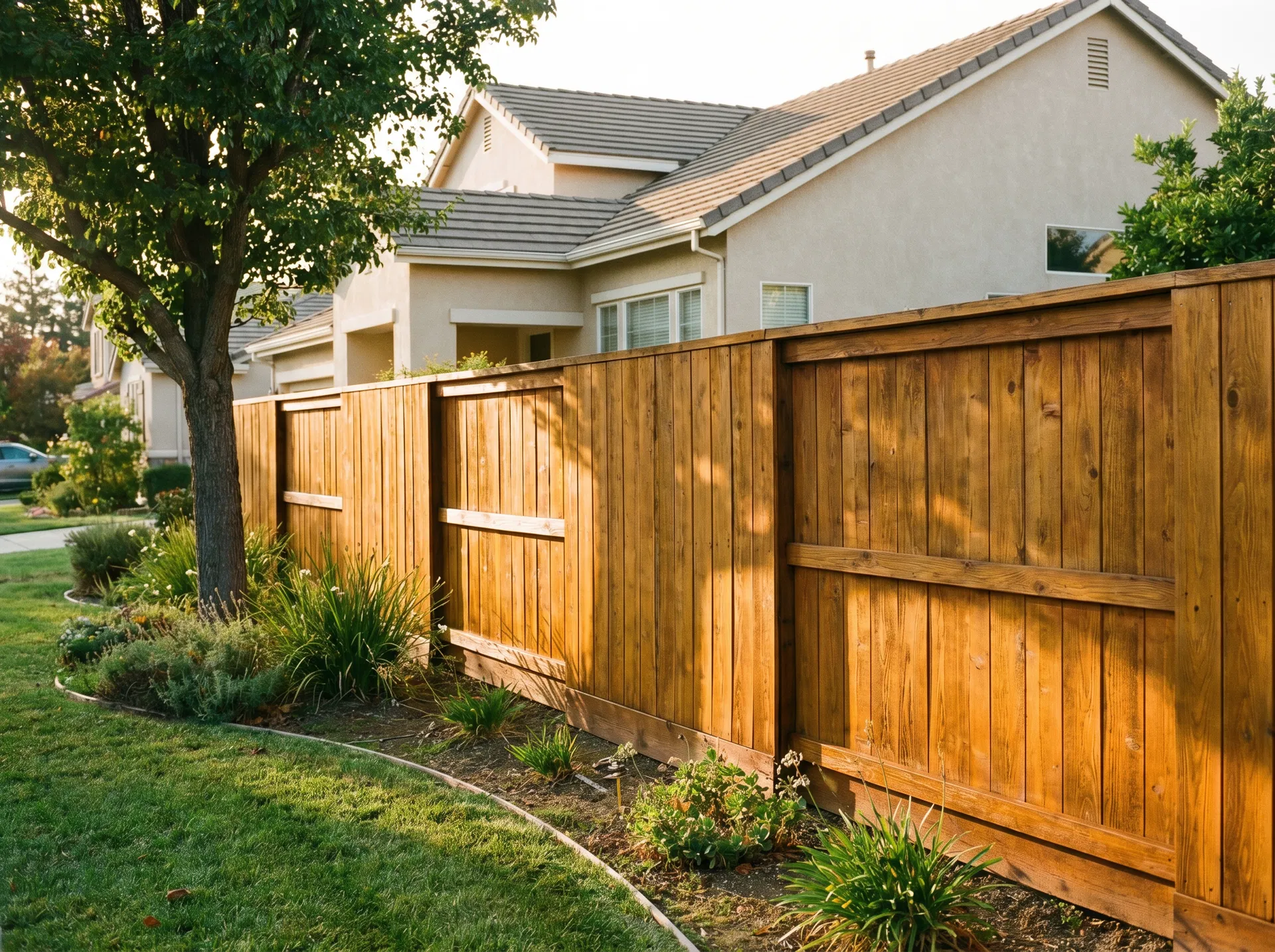
A coat of stain. The oil soaks into the wood, replaces what the sun took out, and brings back the warmth. It's not new — it's just maintained. That's all it needed.
You see this happen. You know when it's time. You get it stained.
Now look at your roof. From the ground, it looks fine. Maybe a little lighter than it used to be. But you're not up there. You don't see what's happening.
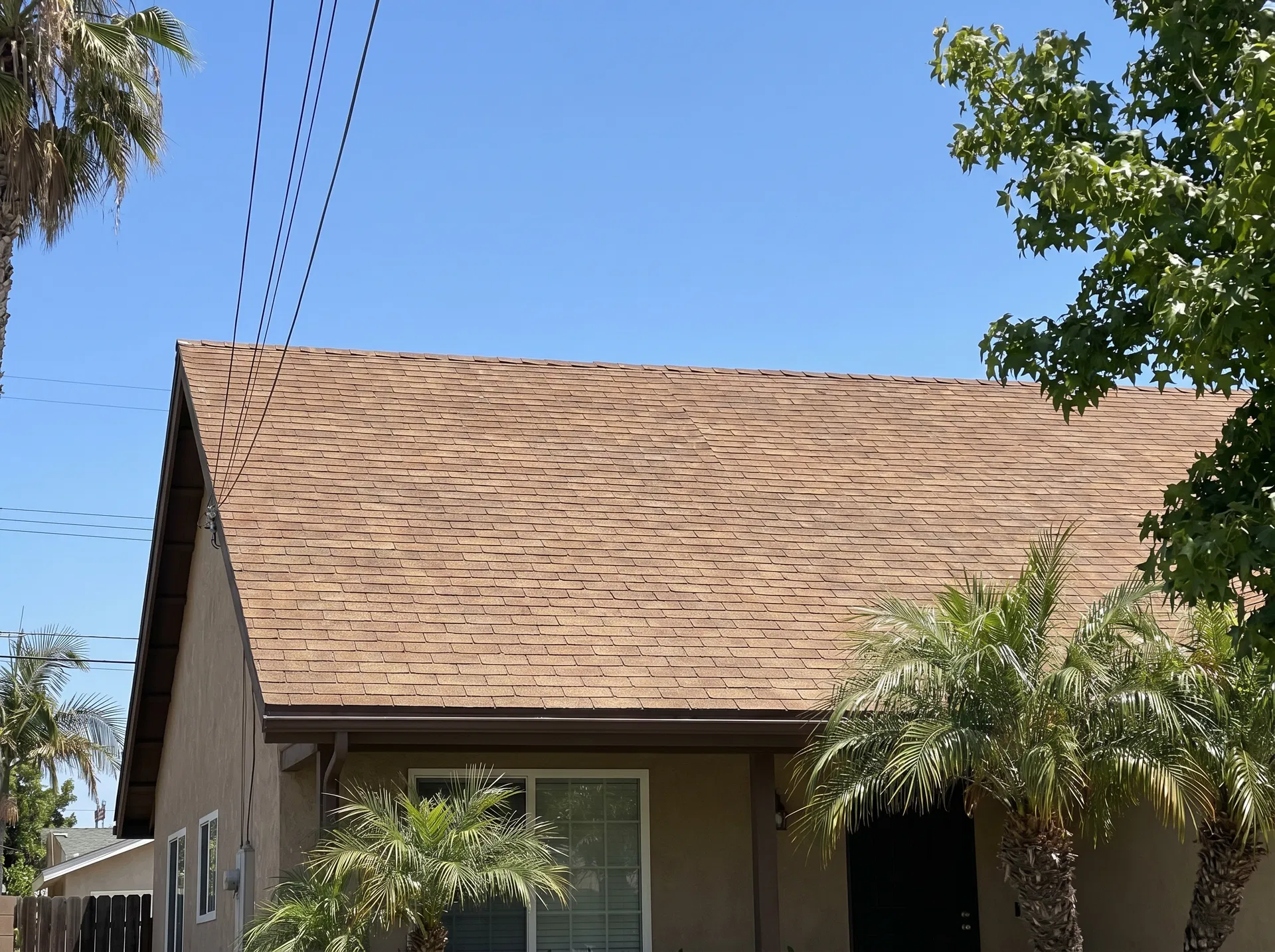
From the ground
Looks fine. Maybe a little faded. You'd walk past this every day and never think twice about it.
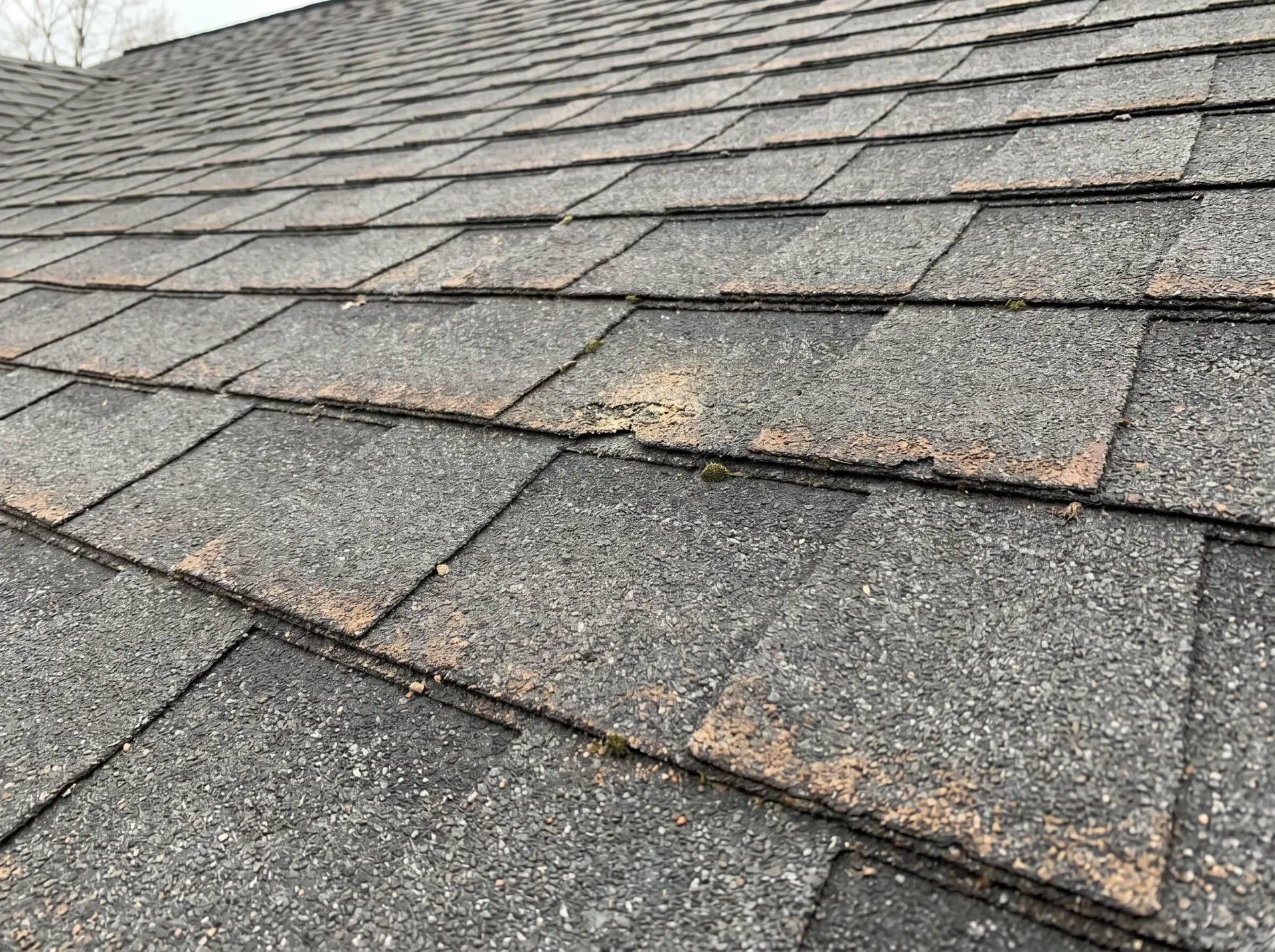
Up close
The granules are thinning. The asphalt is drying out. The binder that holds everything together is slowly breaking down. The same thing that happened to the fence is happening here.
This is happening whether you see it or not.
Same sun. Same process.
UV radiation breaks down organic binders. In wood, it's called lignin. In asphalt, it's called bitumen. The names are different. The process is identical.
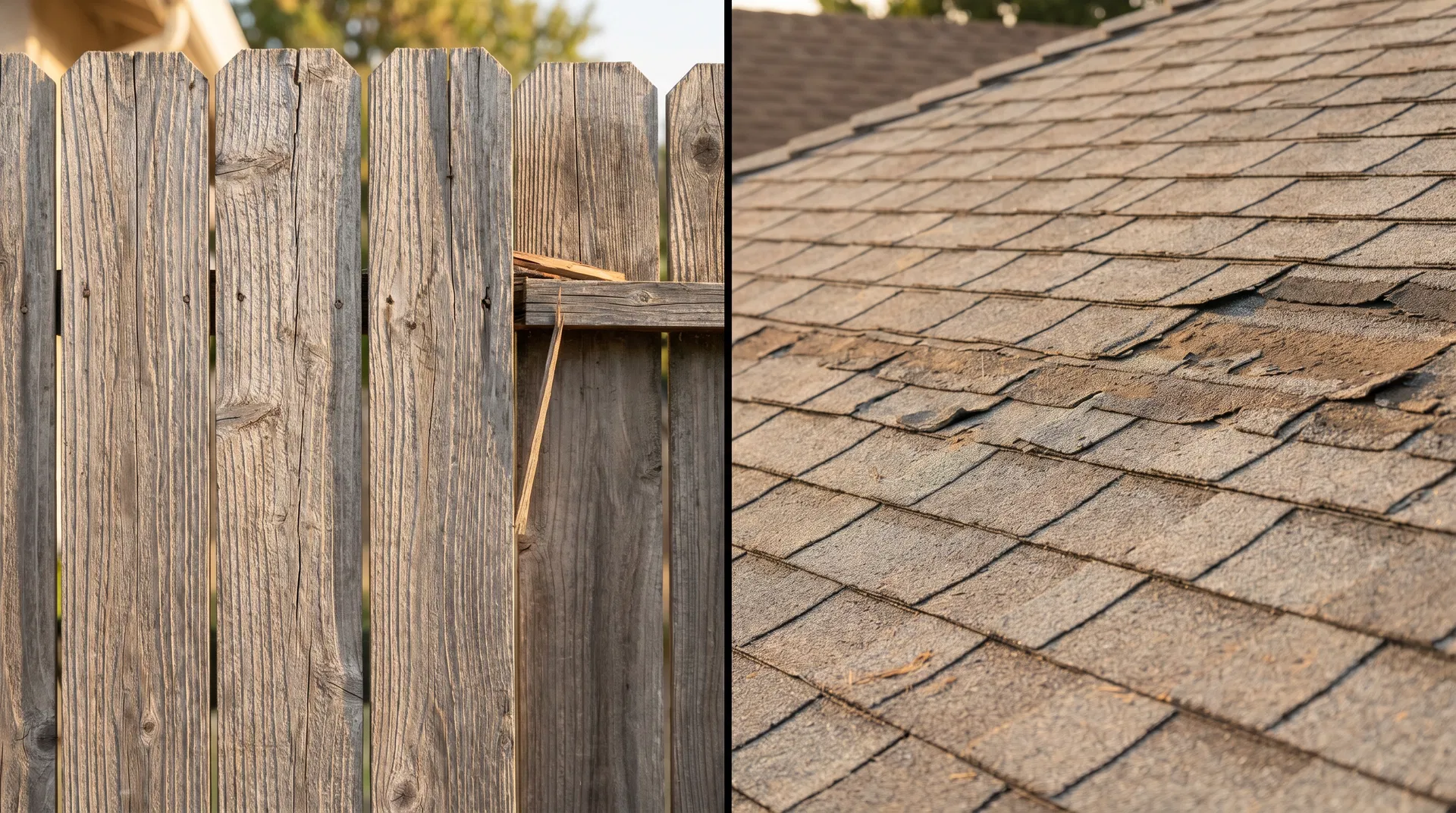
Wood fence
You see it aging
Asphalt shingle
You don't see it aging
| Your Fence | Your Roof | |
|---|---|---|
| Material | Cedar / redwood | Asphalt shingle |
| What UV destroys | Lignin (wood binder) | Bitumen (asphalt binder) |
| What you see | Grey, dry, grain showing | Faded, lighter color |
| What you don't see | Fibers weakening inside | Granules loosening, binder drying |
| The fix | Oil-based stain | GoNano nanosilica treatment |
| How it works | Penetrates, seals, blocks UV | Penetrates, seals, blocks UV |
| Visible result | Darkens the wood | Darkens the shingles |
| Cost to maintain | $500 – $2,000 | $2,500 – $6,000 |
| Cost to replace | $3,000 – $8,000 | $15,000 – $35,000 |
Same concept. Way less sexy. 100 times more practical.
This is an unsexy thing.
We're not going to pretend this is exciting. Nobody gets excited about roof maintenance. You're not going to post about it on Instagram. Your neighbors probably won't notice.
What we're selling is this: keep your roof healthy. That's it. The same way you'd stain a fence before it falls apart — treat your roof before it needs replacing.
You probably won't see it. You probably won't appreciate it. But 10 years from now, when your neighbors are writing $25,000 checks for new roofs, you'll understand why it mattered.
What it looks like
Just like stain darkens a fence as it soaks in, GoNano darkens shingles as the oil penetrates the asphalt. It's a subtle change — but it means the treatment is working.
Before stain
After stain
The oil soaks in and darkens the wood.
You can see it working.
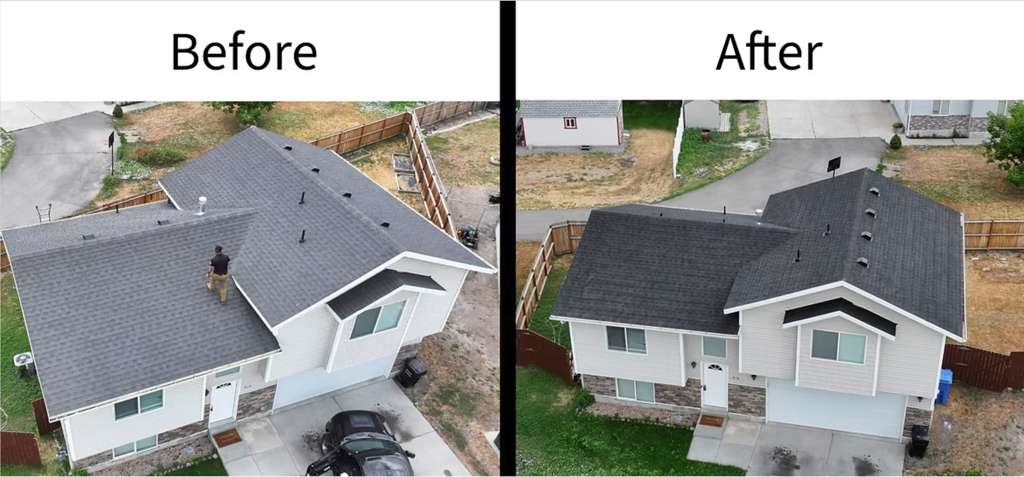
The oil soaks in and darkens the shingles.
Same principle. Same visible sign.
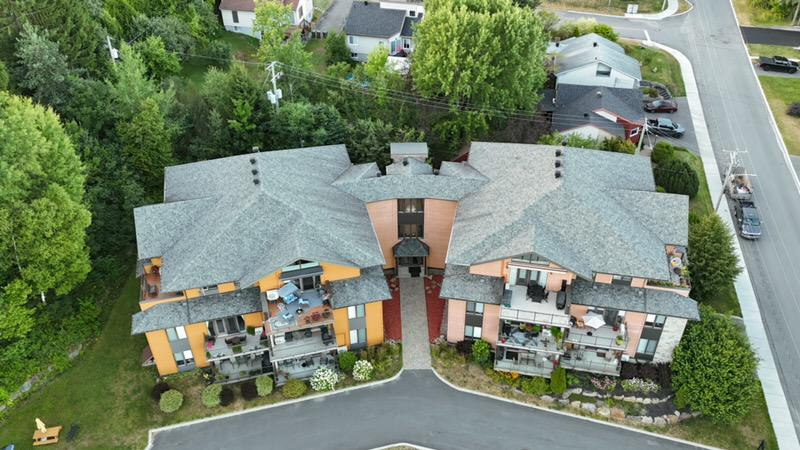
Before
Faded. Dry. Quietly losing protection.
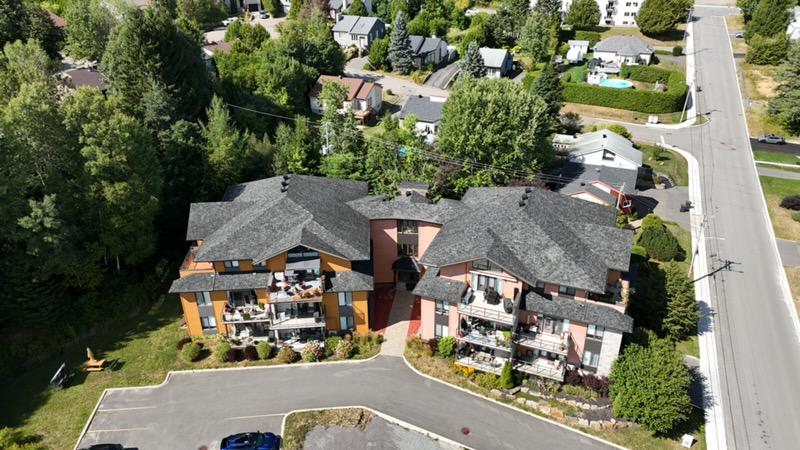
After
Darker. Re-saturated. Protected again.
We've been doing this for 24 years.
Tom Sawyer Fence Painting has been restoring and protecting wood surfaces in California since 2002. Roof Care Pros is the same team, same expertise, applied to a different surface.
24
Years in business
85
Google 5-star reviews
30
Yelp 5-star reviews
1,000+
Surfaces restored
When we found GoNano, we didn't just take their word for it. We checked the lab reports. We read the peer-reviewed research. We looked at the UL certification. We treated our own properties first. We don't sell anything we wouldn't put on our own roof.
We checked the science.
Before we put our name on it, we verified every claim.
CNETE Lab Tested
Independent Canadian lab verified penetration depth, UV resistance, and material compatibility.
UL Certified
Underwriters Laboratories tested hail impact improvement — Class 1 shingles upgraded to Class 3.
Peer-Reviewed Research
Nanosilica modification of asphalt documented in Scientific Reports, Construction & Building Materials, and others.
OSHA Biodegradable
Water-based, non-toxic, safe for workers and the environment. No VOCs, no harsh chemicals.
Common Questions
Get a free roof assessment.
We'll come out, look at your roof, and tell you honestly what we find. If it doesn't need treatment, we'll tell you that too. No pressure. No drama.